


Palm sugar, brown sugar and white sugar, each of them have different tastes and textures. Recipe often requiring a certain type of sugar, substituting other types of sugar can change the overall texture and taste of the dish. The following is an explanation of the three types of sugar that are commonly used and the differences between them.

1. Palm Sugar
Palm sugar is a sweetener made from bunches of male sap flowers on coconut trees. Palm sugar has a color similar to brown sugar, but it has more lighter caramel flavor and is slightly taste more bitter. Palm sugar also has a texture that tends to be dry and slightly grainy when compared to brown sugar. Palm sugar is usually served in 3 forms, form of powder (ant sugar), liquid / syrup, and there is also a solid / block.
Palm sugar is considered a healthier alternative than other types of sugar, because it has a natural production process and without the addition of chemicals. Unlike brown sugar, palm sugar does not have any type of further classification because it is unrefined. Therefore, palm sugar contains many high levels of vegetable vitamins and minerals that can be beneficial for health.
Palm sugar also has a low glycemic index compared to other sweeteners, which means it’s less likely to cause your blood sugar to spike and crash. While research is ongoing, some studies suggest that palm sugar is a good alternative sweetener for people with diabetes. In addition, palm sugar also contains inulin which acts as a prebiotic dietary fiber, which feeds the good bacteria in our intestines.
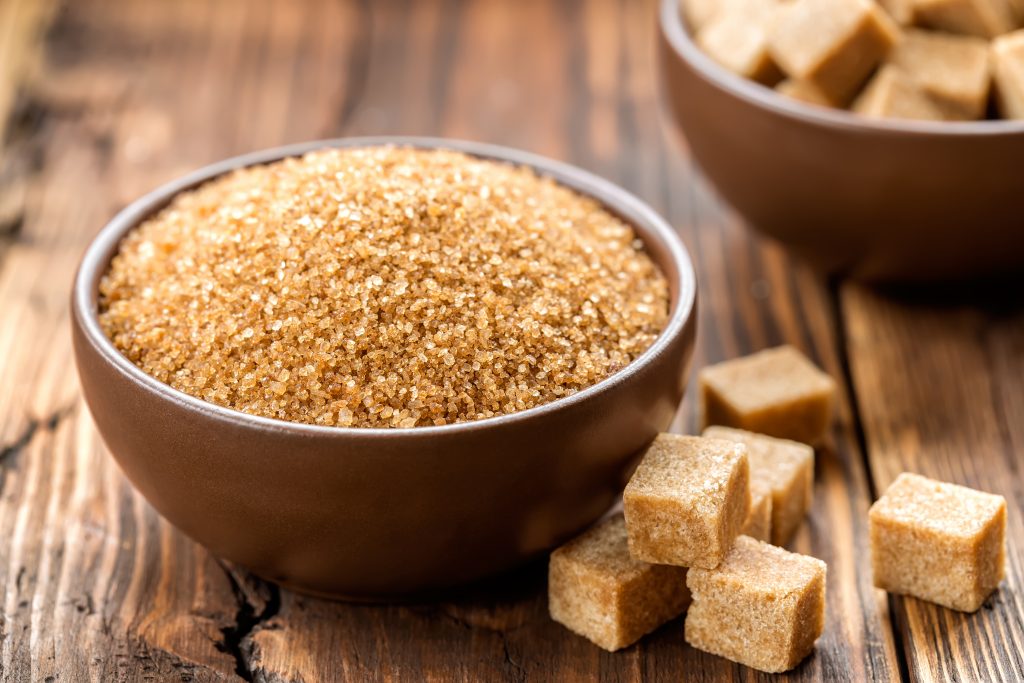
2. Brown Sugar
Brown Sugar is a type of sugar that is produced from the processing of sugar cane or sugar beet plants, and still contains molasses in it. The only thing that distinguishes between brown and white sugar is the molasses content in it, brown sugar content molasses, while white sugar does not.
The molasses content in brown sugar makes brown sugar tend to clump because it contains more water than white sugar. This makes brown sugar helpful in any recipe that calls for a moist and chewy texture. The amount of molasses in brown sugar determine the color, flavor, and moisture content of sugar. Having more molasses gives food a richer color and flavor. There are several types of brown sugar that can be classified based on the amount of molasses contained.
- Light Brown Sugar : This type of sugar is the result of mixing white sugar with less molasses. Because it has less molasses content, it makes this sugar lighter in color and doesn’t taste as strong as dark brown sugar. This sugar is usually used for sauces and most baked goods.
- Dark Brown Sugar : This type of brown sugar has more molasses content than light brown sugar, because it is given more molasses while mixing. With more molasses content, making this sugar richer in taste and suitable for making gingerbread, baked beans, roasting, and other flavorful foods.
- Muscovado Sugar : This type of brown sugar has more molasses content, because it is an unrefined cane sugar in which the molasses has not been removed. As a result, the crystals are slightly coarser and stickier than regular brown sugar, giving this sugar a sandy texture.
- Turbinado Sugar : This type of brown sugar has less molasses content because it is a partially refined cane sugar, which retains more of the naturally present molasses. It has a blond color, mild brown sugar flavor and larger crystals than brown sugars used in baking.

3. White Sugar
White Sugar is a type of sugar that is produced from processing sugar cane or sugar beets, and no longer contains molasses in it. As mentioned earlier, the only difference between brown sugar and white sugar is the molasses content in them. While brown sugar is classified based on the amount of molasses contained, white sugar is classified based on crystal size. There are several sizes of crystals that provide unique functional characteristics that make white sugar suitable for a variety of foods and beverages.
- “Regular” or Granulated Sugar : This is what you typically find in your sugar bowl. Granulated sugar is the most common sugar called for in recipes when cooking and baking. “Regular” sugar granules are fine because small crystals are ideal for bulk handling and not susceptible to caking.
- Superfine Sugar: Also known as caster or bar sugar, this sugar has the smallest crystal size of white granulated sugars. Because the crystals are so fine, they dissolve easily even in cold drinks. It is generally used in making delicate or smooth desserts, such as mousse or puddings.
- Confectioners’ or Powdered Sugar: Powdered sugar is simply granulated sugar ground to a smooth powder and then sifted. It is often used in icings, confections and whipping cream.
- Baker’s Special Sugar : The crystal size of baker’s special sugar is finer than fruit sugar. As its name suggests, it was developed especially for the baking industry. This sugar is used for sugaring donuts and cookies, and it’s used in some cake recipes to create a fine crumb texture.
- Coarse Sugar : Has a larger crystal size than regular sugar. It results from the crystallization of molasses-rich sugar syrups that are high in sucrose.
- Sanding Sugar : It either have large or fine crystals, which both types can reflect light and give the product a sparkling appearance. It is used mainly in baking and confectionery as a sprinkle on the top of baked goods.
- Fruit Sugar : Smaller and more uniform in crystal size than regular sugar. The uniformity of crystal size prevents settling of the sugar crystals to the bottom of the box, an important quality in dry mixes, such as gelatin and pudding desserts or powdered drinks


