

1. Polyethylene Terephthalate (PET or PETE)
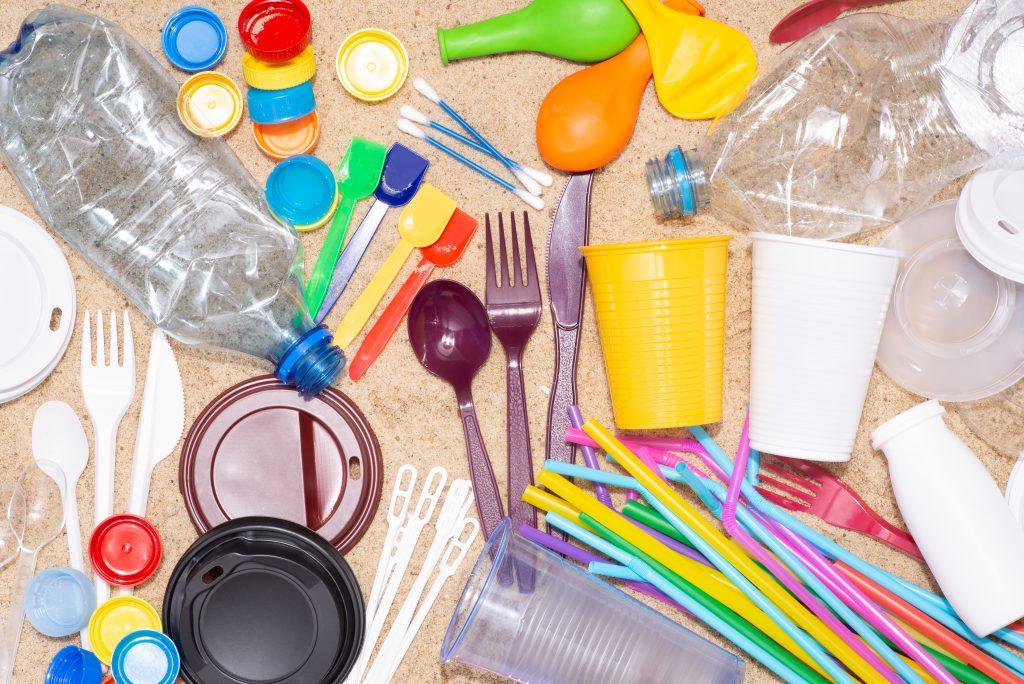
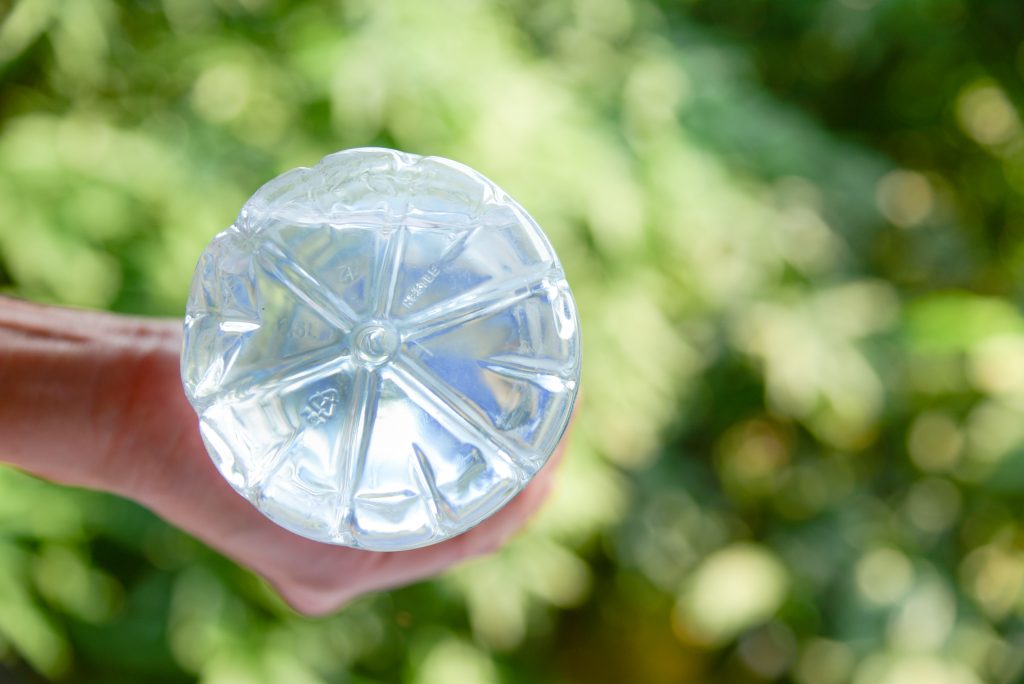
Polyethylene terephthalate (PET) is a plastic material that is quite widely used in various industries, one of which is a restaurant or cafe. This plastic has a clear color and is generally used as a drink glass. PET is a type of plastic that is safe to use for daily consumption, it’s just not good if it’s too hot. Conditions that are too hot can cause the plastic to release harmful chemical compounds. PET has a porous structure so that bacteria can accumulate and multiply, therefore it is not recommended to reuse PET drinking glasses in the long term. However, PET is one of the most valuable types of plastic, because it is easy to recycle as long as it is dry and clean.
2. High-Density Polyethylene (HDPE)
3. Polyvinyl Chloride (PVC or Vinyl)
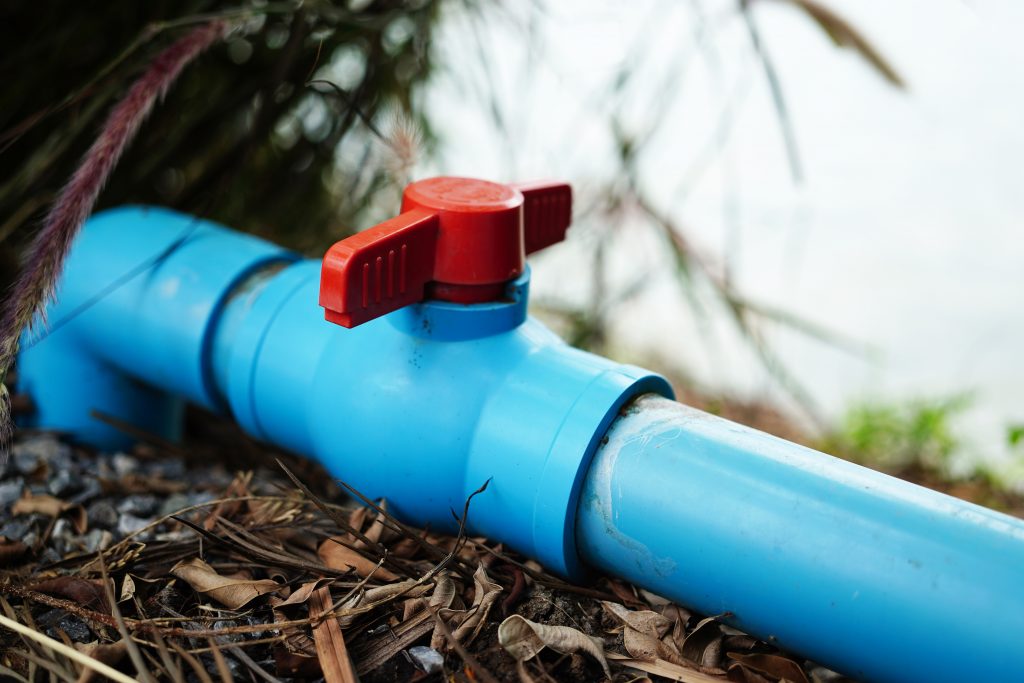
Polyvinyl Chloride (PVC or Vinyl) is a type of thermoplastic that is strong and thick, which is made of vinyl polymer. PVC plastic has characteristics similar to HDPE, but HDPE is considered stronger because it is made from petroleum processing. PVC is added a lot of chemical compounds such as plasticizers and flalates to make it softer and more flexible. In daily life, PVC is widely used in the manufacture of window frames, shower curtains, drainage pipes, vinyl, medical equipment, cling wrap, credit cards, flooring, car interiors, and more.
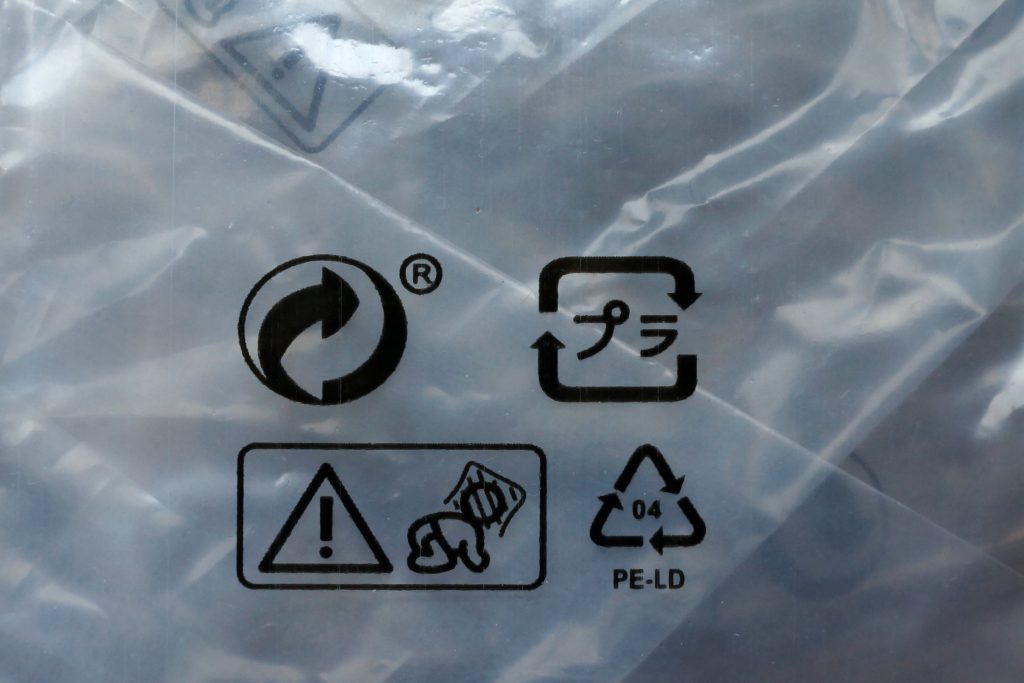
4. Low-Density Polyethylene (LDPE)

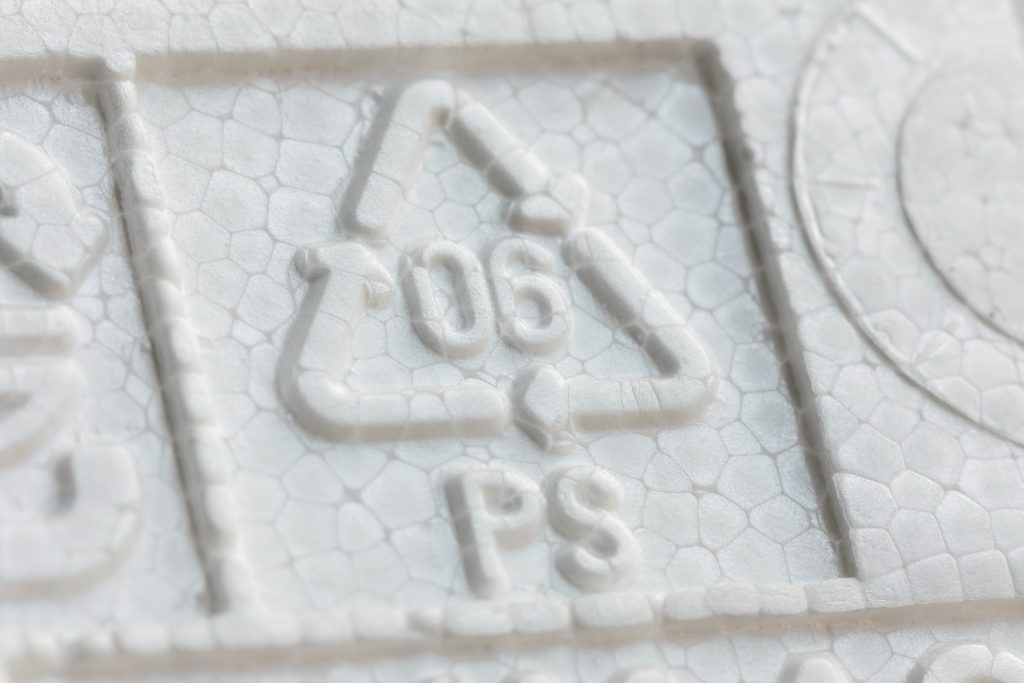
6. Polystyrene (PS)
Polystyrene (PS) is a type of plastic made from petroleum processing and usually comes in two forms – foam, also known as styrofoam, and rigid solid plastic. Generally, PS is widely used as a food container, especially Styrofoam. Styrofoam is widely used for food containers because it is cheap and disposable. Even so, actually using Styrofoam as a food base is not good because it contains toxic substances such as styrene and benzene which are harmful to human health. PS in solid form is also widely used in the food industry, such as the manufacture of tableware, ice cube trays, single-dinner bowls, egg cartons, and others.

7. Polycarbonate (PC)
Polycarbonate (PC) is a thermoplastic that contains a carbonate group in its chemical structure. PC is a type of plastic that is strong, tough, and quite transparent in several grades. PC also has higher impact resistance and offers greater protection than other types of plastic. Typically PC is used for the manufacture of plastic lenses in eyeglasses, medical devices, room dividers, automotive components, protective equipment, greenhouses, digital disks, exterior lighting fixtures, and others.

8. Polylactic Acid (PLA)
Polylactic Acid (PLA) is a type of thermoplastic made from fermented plant starch such as corn, cassava, maize, sugar cane or sugar beet pulp. The sugar in this renewable material is fermented and converted into lactic acid, which is then made into polylactic acid, or PLA. PLA plastic is 100% biosourced and biodegradable, one of the first renewable polymers to compete with traditional polymers in terms of performance and environmental impact. PLA is widely used for the manufacture of compost bags, straws, food packaging, disposable tableware, and loose fill packaging.


